Published: July 26, 2025 | Reading Time: 6 minutes
Picture this: you approach your hive on a warm July morning, and instead of the usual bustling activity, you find sluggish bees, spotty brood patterns, and that sinking feeling in your stomach. Sound familiar? If you’re like most beekeepers, you’ve probably experienced that moment of panic when something just doesn’t look right in your colonies. The good news? With the right knowledge and tools, you can become your bees’ best health advocate.
With colony losses hitting a staggering 55.6% nationwide in 2024-2025—the highest since surveys began—understanding bee health has never been more critical. But here’s what’s encouraging: we have more effective, natural treatment options available today than ever before, and the science behind bee health management is advancing rapidly.
Understanding the Current Health Landscape
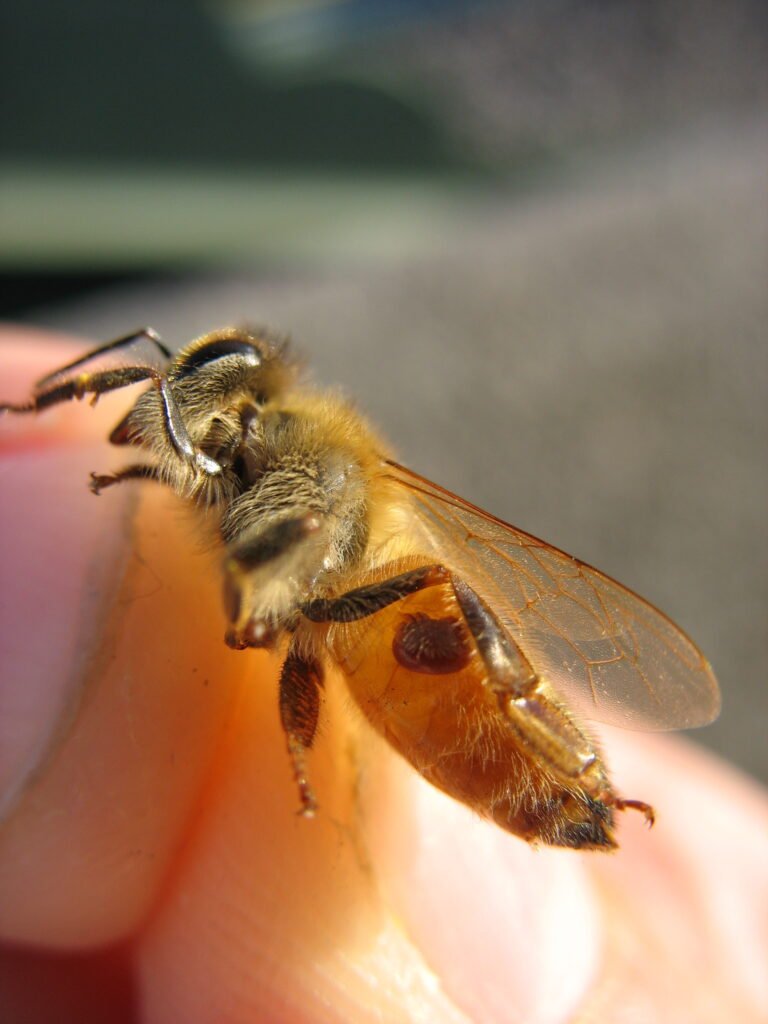
Let’s start with the reality check. The latest U.S. Beekeeping Survey reveals some sobering statistics, but they also point us toward solutions. Varroa destructor mites remain the number one threat to our colonies, not just through direct damage but by vectoring devastating viruses like Deformed Wing Virus and Acute Bee Paralysis Virus.
What’s particularly concerning is that USDA diagnostic sampling has detected widespread genetic markers for amitraz resistance in Varroa populations across seven commercial operations. This means our go-to treatments are becoming less effective, making integrated pest management more crucial than ever.
But here’s the silver lining: researchers and beekeepers are responding with innovative approaches that work with nature rather than against it. The key is staying ahead of problems rather than reacting to them.
Revolutionary Treatment Options for 2025
The treatment landscape has evolved dramatically this year. The EPA has proposed registering Vadescana, a groundbreaking double-stranded RNA treatment that targets specific Varroa genes while leaving bees completely unharmed. Think of it as a precision strike rather than carpet bombing—it silences essential mite genes without affecting any other species.
We’re also seeing improved formulations of tried-and-true treatments. Amiflex, the new amitraz gel, delivers 94% mite kill by day three and reaches 100% effectiveness by day seven in broodless colonies. What I love about this treatment is its temperature independence—no more worrying about whether it’s too hot or cold to treat.
For those preferring organic approaches, VarroxSan represents a major breakthrough. These oxalic acid-impregnated fiberboard strips provide controlled release over 56 days and can be used safely during honey flow. At 96.8% efficacy against phoretic mites, they’re proving that natural doesn’t mean less effective.
Smart Monitoring: Your Early Warning System
Gone are the days when a quick peek into the hive was enough. Modern bee health management relies on systematic monitoring that catches problems before they become disasters. Here’s what successful beekeepers are doing:
Regular Sampling: Alcohol wash or sugar shake tests every two weeks during active season. Keep that mite count below 2 per 100 bees—this isn’t just a suggestion, it’s your colony’s lifeline.
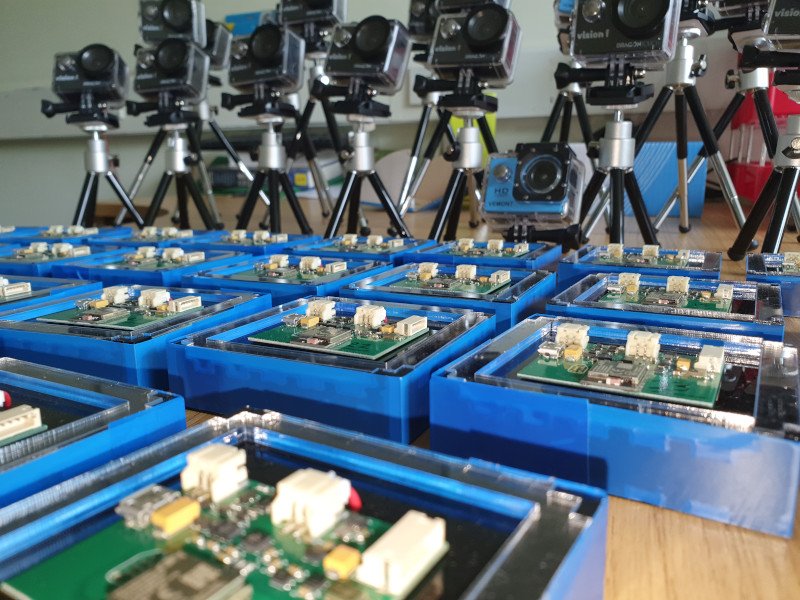
Technology Integration: Hive scales and internal sensors are becoming game-changers. Sudden weight loss might indicate robbing or starvation, while temperature deviations often precede colony stress. Apps like HiveTracks help you spot patterns you might miss otherwise.
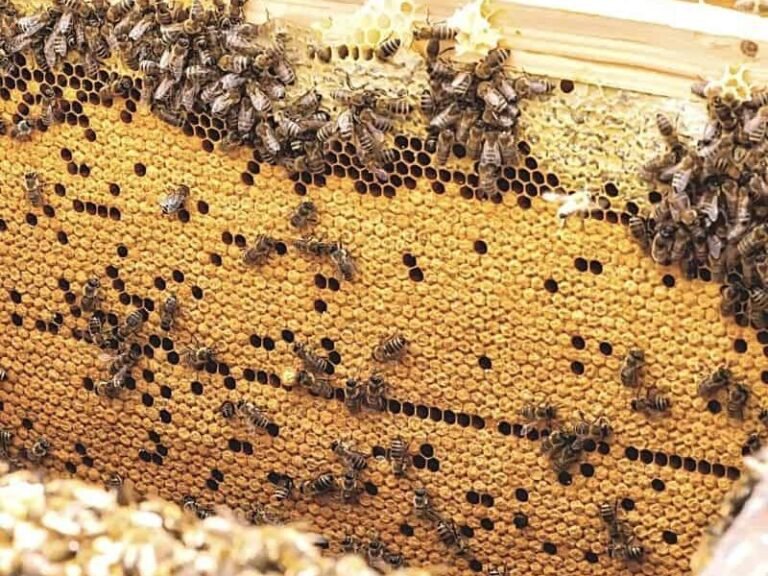
Visual Inspection Mastery: Look beyond the obvious. Uneven brood patterns, missing queens, or low food reserves are red flags. But also watch for subtle signs—are your bees more defensive than usual? Are foragers making disoriented flights? These behaviors often signal nutritional stress or disease pressure.
Summer Feeding: When Nature Needs a Helping Hand
While bees typically don’t need supplemental feeding during summer’s abundance, this year’s extreme weather patterns are creating unexpected nectar dearths. Drought, wildfire smoke, and heat waves can shut down nectar production overnight.
Here’s when to step in: if your brood combs lack adequate honey stores, if you notice robbing behavior, or if foragers seem to be struggling to find resources. Mix a simple 1:1 sugar-to-water syrup—one cup of white sugar dissolved in one cup of warm water. Feed late in the day to minimize robbing, and always use entrance reducers during feeding periods.
The key is knowing when to stop. As soon as natural nectar flows resume and bees begin filling combs with fresh stores, discontinue feeding. Leaving feeders out too long can actually harm your colonies by encouraging robbing and interfering with proper honey curing.
Natural Health Boosters That Actually Work
The natural treatment revolution is backed by solid science. Propolis supplements—just 1-2 grams per liter of syrup—provide antimicrobial compounds that boost colony immunity. Think of propolis as your bees’ natural pharmacy, rich in flavonoids and phenolics that fight bacterial and fungal pathogens.
Royal jelly supplementation during spring buildup can improve brood production and foraging efficiency by up to 30%. The secret ingredient is 10-hydroxy-2-decenoic acid (10-HDA), which enhances larval development and worker vigor.
Essential oils are proving their worth too. Thymol disrupts Varroa reproduction when used correctly—2-3 drops per liter of syrup or on slow-release pads. Tea tree oil vapors can reduce Nosema spore loads, while lemongrass and peppermint oils help mask mite-attractant pheromones.
Cultural Controls: Working Smarter, Not Harder
Sometimes the most effective treatments don’t come in bottles. Drone brood trapping can eliminate up to 60% of your mite load—simply insert removable drone comb and remove sealed frames 21 days later. It’s labor-intensive but incredibly effective.
Sugar dusting might seem old-fashioned, but 30 grams of powdered sugar dusted over outer frames every 2-3 weeks mechanically dislodges mites. Screened bottom boards let those dislodged mites fall through and reduce reinfestation.
Annual comb rotation—replacing 30% of old comb each spring—reduces pathogen and pesticide buildup. Fresh comb means healthier bees, and healthier bees mean stronger colonies.
Looking Ahead: The Future of Bee Health
The most exciting development might be RNA interference technology. Early field trials show 33-42% reductions in mite loads with no adverse effects on bees. This precision biotechnology targets essential Varroa genes while leaving beneficial insects completely unharmed.
We’re also seeing advances in probiotic treatments. Lactobacillus and Bifidobacterium species introduced through spring syrup feeding enhance nutrient absorption and pathogen resistance. Adding inulin as a prebiotic supports beneficial gut flora and improves overwinter survival.
Your Action Plan for Healthier Colonies
Start with the basics: maintain regular inspection schedules, keep detailed records, and never let mite levels exceed 2%. Rotate your treatments to prevent resistance, and don’t rely on chemicals alone—integrate cultural controls and natural supplements.
Invest in monitoring technology if possible. Hive scales and temperature sensors pay for themselves by catching problems early. Most importantly, connect with other beekeepers in your area. Local knowledge about bloom times, pest pressures, and treatment timing is invaluable.
Remember, healthy bees start with healthy management practices. Focus on nutrition, maintain genetic diversity, and always have a backup plan. Your colonies are counting on you to stay informed and proactive.
What challenges are you facing with colony health this season? Have you tried any of these new treatments or monitoring techniques? Share your experiences in the comments below—your insights might be exactly what a fellow beekeeper needs to hear.
